
When your business uses power
Lighting, cooling, refrigeration and equipment create different patterns of demand. Your bills and operating hours help connect those patterns to the hours when solar generates.
COMMERCIAL SOLAR
From the first lights on to the last customer out. Solar for offices, retail and business premises, shaped around your working day.
Plan around your premises
Opening hours, busy periods and the space above your business all help shape the right approach to solar.
Lighting, cooling, refrigeration and equipment create different patterns of demand. Your bills and operating hours help connect those patterns to the hours when solar generates.
Available roof area, shade, access and the building’s structure need to be considered together. If you lease the premises, include the property owner in the planning conversation.
Identify the equipment that matters during an outage and any planned expansion. Solar generation, battery backup and future capacity are distinct decisions to work through.
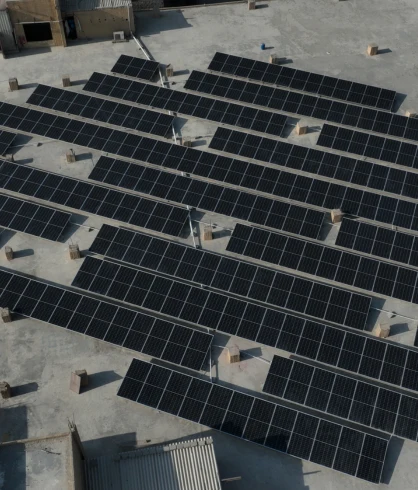
FROM THE NAT PORTFOLIO
282.6 kW installed
A commercial rooftop brought into the energy picture. One of the installations in NAT’s growing project portfolio.
Explore project highlightsFROM A PLAN TO A WORKING SYSTEM
Start with recent bills, opening hours and a site review. Build a picture of the business before proposing the system.
Agree the layout, equipment and installation access. Discuss scheduling and any necessary electrical shutdowns before work begins.
Set out commissioning checks, system monitoring and maintenance responsibilities, so your team knows what comes next.
BEFORE WE BEGIN
It may be. Review daytime and evening consumption separately. Solar produces during daylight; evening demand and backup needs require their own assessment, including whether storage is appropriate.
Start by discussing roof access, installation permission and the intended term with your property owner. The building arrangements should be clear before a system is designed.
Access, working hours and any required electrical shutdowns should be planned with your team. The schedule depends on the site and agreed scope; it is best discussed during assessment.
Your location, recent electricity bills, operating hours and a short description of the premises are a useful start. Mention major equipment, backup priorities and any planned changes.
LET’S LOOK AT YOUR BUSINESS
Tell us about your premises, your working hours and what you want solar to achieve.